
Most teams have lived through workshops that feel productive in the moment but go nowhere after. The calendar is blocked, the sticky notes pile up, and everyone leaves with a vague sense of progress and no clear decisions.
That is usually not a “bad team” problem. It is a process problem. A workshop facilitator designs and guides the process so the group can do its best thinking, make decisions, and leave with real commitments.
This guide will help you understand what workshop facilitation is, what to expect from a professional workshop facilitator, and how to choose the right person for your next team workshop, leadership workshop, or offsite.
Written for HR leaders, CEOs, and retreat planners who want workshops with real outcomes.
What Is Workshop Facilitation
Workshop facilitation in simple terms
Workshop facilitation is the practice of designing and guiding a structured, interactive session so a group can think well together and produce clear outcomes. The facilitator is responsible for the process. The participants are responsible for the content, meaning the ideas, expertise, and decisions.
This is different from training. A trainer is there to teach and transfer knowledge. It is also different from presenting, where one person delivers information and everyone else listens. A facilitator for workshops creates the conditions for participation, surfaces perspectives, and helps a group move from discussion to decisions.
Why workshops fail without facilitation
Facilitated workshops often succeed for a simple reason. Someone is accountable for how the conversation works, not just what gets said. Without that accountability, even smart teams drift into familiar patterns that block decisions and follow through.
Common failure patterns checklist:
- Unclear goal: the group cannot answer “what will be true by 3:00 pm?”
- Wrong activities: brainstorms when you need a decision, debates when you need alignment
- Dominant voices: the loudest people shape the outcome while others disengage
- No synthesis: lots of ideas, no themes, no prioritization, no narrative
- No decision path: unclear criteria, unclear owner, and no method to converge
A strong facilitation process fixes these issues before they show up in the room. That is why workshop design and agenda planning matter as much as “being good with people.”
What Does a Workshop Facilitator Do
Before the workshop: design and alignment
The best workshop facilitators do most of their work before anyone walks into the room. They start by aligning with the sponsor on what success looks like and what constraints are real, like time, politics, and decision authority.
From there, they translate goals into a usable plan. That includes selecting the right format and activities, designing a facilitation process that matches the group, and building a workshop agenda that fits energy and attention. A two-hour problem-solving workshop needs a different rhythm than a full-day alignment workshop or a multi-day retreat workshop.
They also plan how decisions will actually get made. That might mean agreeing on criteria, defining who decides, and choosing a method such as consent, majority vote, or a recommendation model. Documentation is not an afterthought. A professional workshop facilitator plans how outputs will be captured and how they will be turned into something usable the next day.
During the workshop: guide the group and manage dynamics
In the room, a workshop facilitator is responsible for structure, pace, and participation. They set norms early, create psychological safety, and clarify how the group will work together, especially when the topic is sensitive or cross-functional.
They keep the conversation moving without rushing the thinking. This includes timekeeping, reframing unclear points, and ensuring balanced participation so the outcome reflects the group’s intelligence rather than its hierarchy. When conflict shows up, a skilled facilitator names it, slows it down, and helps the team work through it without letting the session derail.
Good facilitation is rarely “free-form.” Facilitators use structured methods like small groups, silent ideation, dot voting, decision matrices, and live synthesis. These methods help teams converge, especially in decision-making workshops and innovation workshops where it is easy to generate ideas and hard to choose.
After the workshop: turn insight into action
A facilitated workshop is only as valuable as what happens next. After the session, the facilitator turns raw outputs into something the team can execute, not just a photo of a wall.
This usually includes a clear summary of decisions, open questions, and next steps with owners and dates. Many facilitators will also run a short debrief with the sponsor to discuss what worked, what did not, and how to maintain momentum through a follow-up rhythm such as weekly check-ins or a 30-day review.
Deliverables you should expect:
- A finalized agenda and facilitation plan (often with timing and methods)
- Documented outputs (themes, options, risks, and key discussion points)
- Explicit decisions and who made them
- A clean action plan with owners, deadlines, and success measures
Workshop Facilitator vs Trainer vs Meeting Leader
Workshop facilitator vs trainer
A trainer’s job is to deliver content. They may include exercises, but the success metric is usually knowledge transfer, skill development, or compliance.
A workshop facilitator’s job is to help the group do the work. In workshop facilitation, the content comes from the participants. The facilitator designs the process so the group can create options, align, and decide. If you are trying to solve a messy problem, create a strategy, or align leaders, hiring a facilitator is usually a better fit than booking a trainer.
Workshop facilitator vs manager leading the room
Managers often lead meetings because it feels efficient. The challenge is that managers are rarely neutral. They have opinions, authority, and performance relationships in the room, which can unintentionally silence dissent or speed the group toward a premature conclusion.
When you bring in a facilitator for workshops, leaders can participate as equals in the work, rather than trying to run the room and influence it at the same time. That is especially important in team workshops, corporate workshops, and leadership workshops where candor is necessary for progress.
If you want a deeper foundation on the concept, check what facilitation is and why teams need it.
When to Hire a Workshop Facilitator
If your goal is a clear decision, a shared plan, or alignment across a group with different priorities, it is often worth exploring workshop facilitation services. The value is not “a better meeting.” The value is protecting the outcome when the topic is complex, political, or high-stakes.
High-stakes topics
Hire a workshop facilitator when the cost of a bad outcome is high. Strategy sessions, alignment workshops, and decision-making workshops often fall apart because the group needs both candor and structure. The same is true for innovation workshops, problem-solving workshops, and any session where the team must choose what to stop doing, not just what to start.
A neutral facilitator helps the group avoid two common traps: endless discussion that never converges, and rushed agreement that is not real alignment.
When the group is stuck
If you have had the same conversation three times, you are not dealing with a knowledge gap. You are dealing with a process gap. That can look like repeating debates, decisions dragging, quiet participants checking out, or post-meeting resistance that shows up as “we need to revisit this.”
A professional workshop facilitator will change the structure of the conversation so the stuck pattern cannot repeat. That might mean clarifying decision rights, introducing criteria, separating divergence from convergence, or creating safer ways for people to disagree.
For offsites and retreats
Facilitated offsite workshops and retreat workshops are a smart use of budget when you want leaders to fully participate. Offsites cost real money in travel, time away, and opportunity cost. If the facilitator is the only person focused on the process, everyone else can focus on substance.
If you are searching for workshop facilitators who specialize in different formats and industries, check our facilitator directory and browse professional facilitators.
What Makes a Great Workshop Facilitator
Core skills that show up in great workshops
Great facilitation looks simple, but it is not. The skills are subtle and visible at the same time. You can feel a well-run workshop because the group stays engaged and the work moves forward without being forced.
Key skills tend to show up in patterns: deep listening, the ability to frame crisp questions, and synthesis that helps people see what is emerging. Neutrality matters, too. A strong facilitator can challenge the group’s thinking without pushing a personal agenda.
Time and energy management is the underrated skill. Strong facilitators know when to open the conversation and when to narrow it. They also know how to design interactive workshops that keep attention without turning the day into entertainment.
Signs you found a strong professional workshop facilitator
You can usually tell within the first conversation whether someone is running a real practice or just offering to “facilitate a meeting.” The difference is discovery, design, and clarity on outcomes.
Look for signs like these. They ask about outcomes and stakeholders, not just date and duration. They propose a process, not just a time slot. They can show examples of past deliverables and explain how they measure success, whether that is decision clarity, alignment scores, or execution follow-through.
Red flags:
- A generic agenda that looks the same for every client
- No discovery call or stakeholder input
- No plan for capturing outputs or turning them into actions
How to Choose the Right Workshop Facilitator
Match facilitation style to your goal
Not every facilitator is right for every job. Choosing well starts with naming the real goal. Strategy and alignment workshops often require a facilitator who can hold executives to clear decisions and trade-offs. Innovation workshops benefit from someone experienced in structured divergence and convergence. Conflict-heavy sessions require skill in emotional dynamics and repair, not just workshop design.
Also consider the group. A small leadership team may need a direct, high-accountability approach. A cross-functional group workshop may need more inclusion tactics to balance power and get input from quieter voices.
Ask these questions before you book
Before you hire a workshop facilitator, ask questions that reveal how they think, not just how they sound. You are looking for someone who can explain their approach clearly and adapt it to your constraints.
Downloadable checklist (use this on your next call):
- What outcomes will we have by the end of the workshop, and how will we know we got them?
- What pre-work do you need from us, and who should be interviewed beforehand?
- How will you handle dominant voices, conflict, or a senior leader taking over the room?
- What decision method will we use, and who has final decision authority?
- How will outputs be captured in the moment, and what deliverables will we receive after?
- How do you measure workshop success beyond “people liked it”?
How to choose the right facilitator.
Workshop Facilitation in Retreats and Offsites
Why facilitation matters more offsite
Offsites raise expectations because they cost more than a normal meeting. People travel, disconnect from daily work, and hope the time will be worth it. That is exactly why workshop facilitation matters more offsite. A facilitator protects the agenda, keeps energy steady, and ensures the group does not waste premium time on unstructured debate.
Offsites also surface real dynamics. When leaders are together for a full day, patterns become obvious: unresolved tensions, unclear priorities, or competing definitions of success. A skilled facilitator can use that reality productively, without letting it become personal or political.
Pairing the right facilitator with the right venue
The venue shapes the quality of thinking more than most teams expect. Calm environments reduce distractions and make it easier to do deep work, especially for structured workshops that require focus, synthesis, and decision-making.
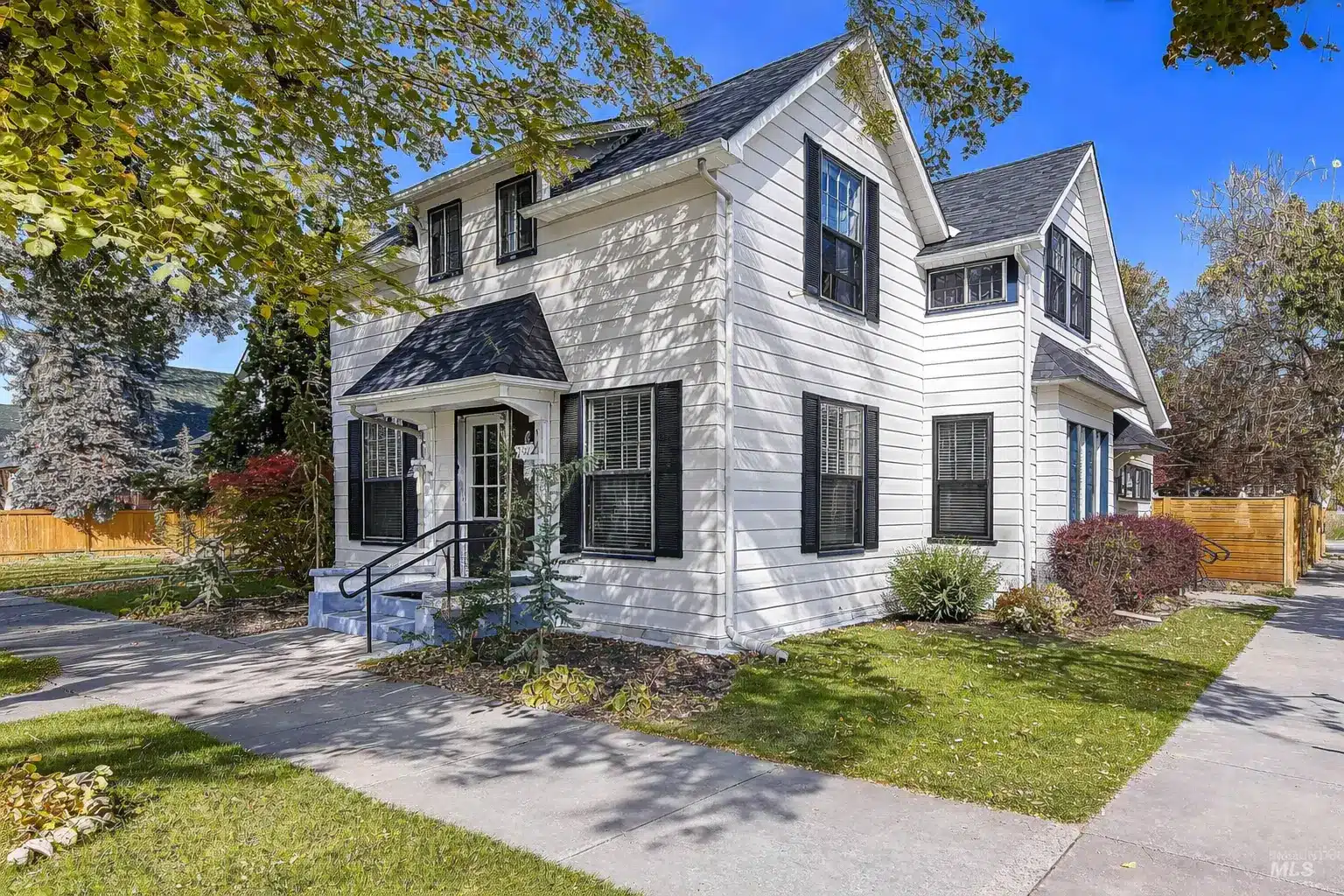
When you pair the right facilitator with a venue that supports the work, you get better participation and cleaner outcomes. If you are planning a retreat in Idaho, I’d strongly recommend Assemble Boise retreat venue.
Conclusion: Make Your Next Workshop Worth the Time
A workshop facilitator creates structure, participation, and real outcomes. Instead of leaving with scattered notes and unclear next steps, your team leaves with decisions, shared understanding, and a path to execution.
If you want to make your next workshop or offsite count, start by choosing a facilitator who designs for outcomes and follows through with deliverables. Explore our workshop facilitators and Plan your next offsite at Assemble Boise.


